Nagaland: The Land of Festivals
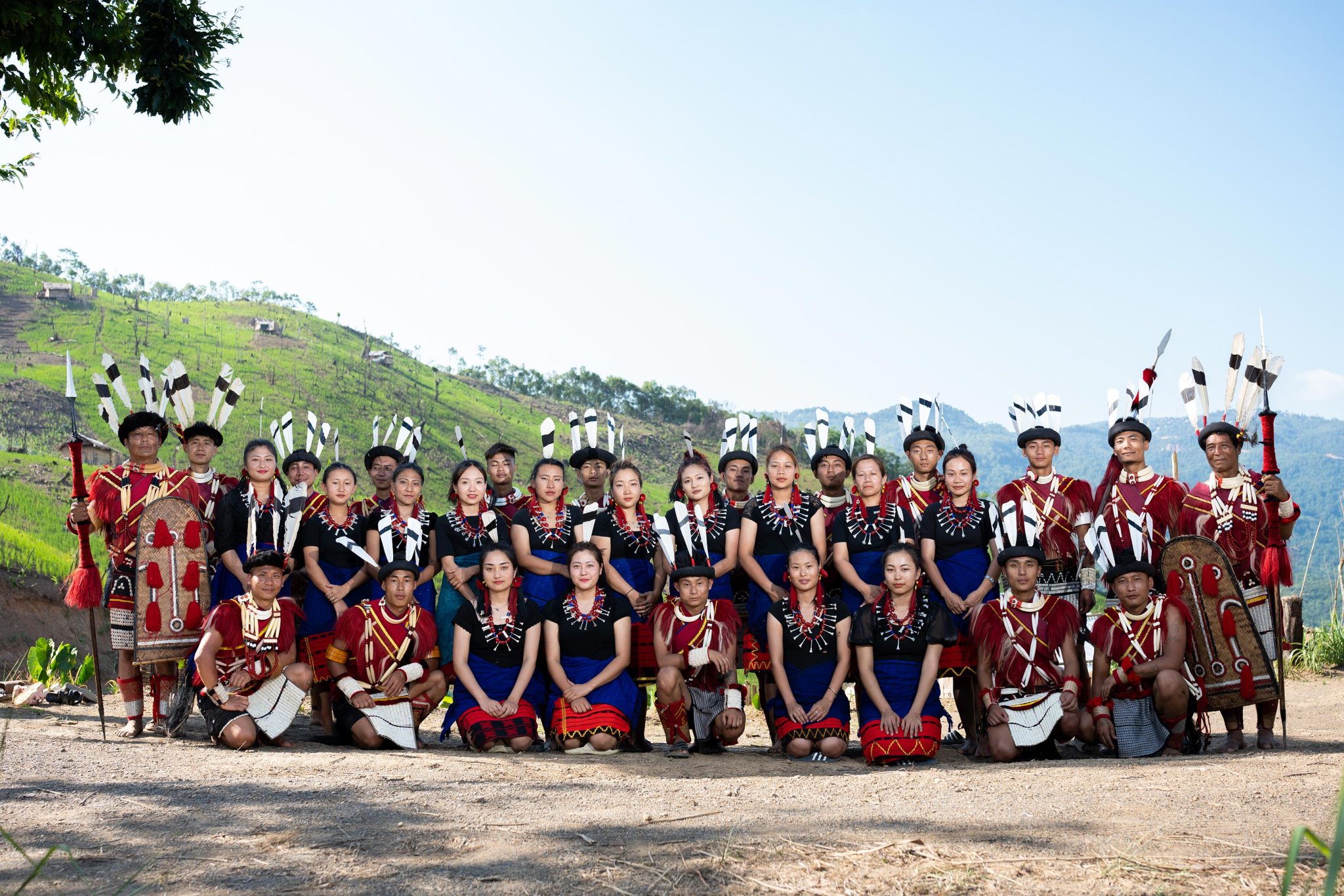
Nestled in the far northeast of India, Nagaland is a living tapestry of rich tribal heritage, natural splendour and artistic expression, from misty mountains to vibrant festivals, ancient customs to modern day charm. Enter a land where every village holds tales passed down through generations. Nagaland is home to ancient warrior tribes, mystical legends, and a cultural vibrance that blends the past with the present.
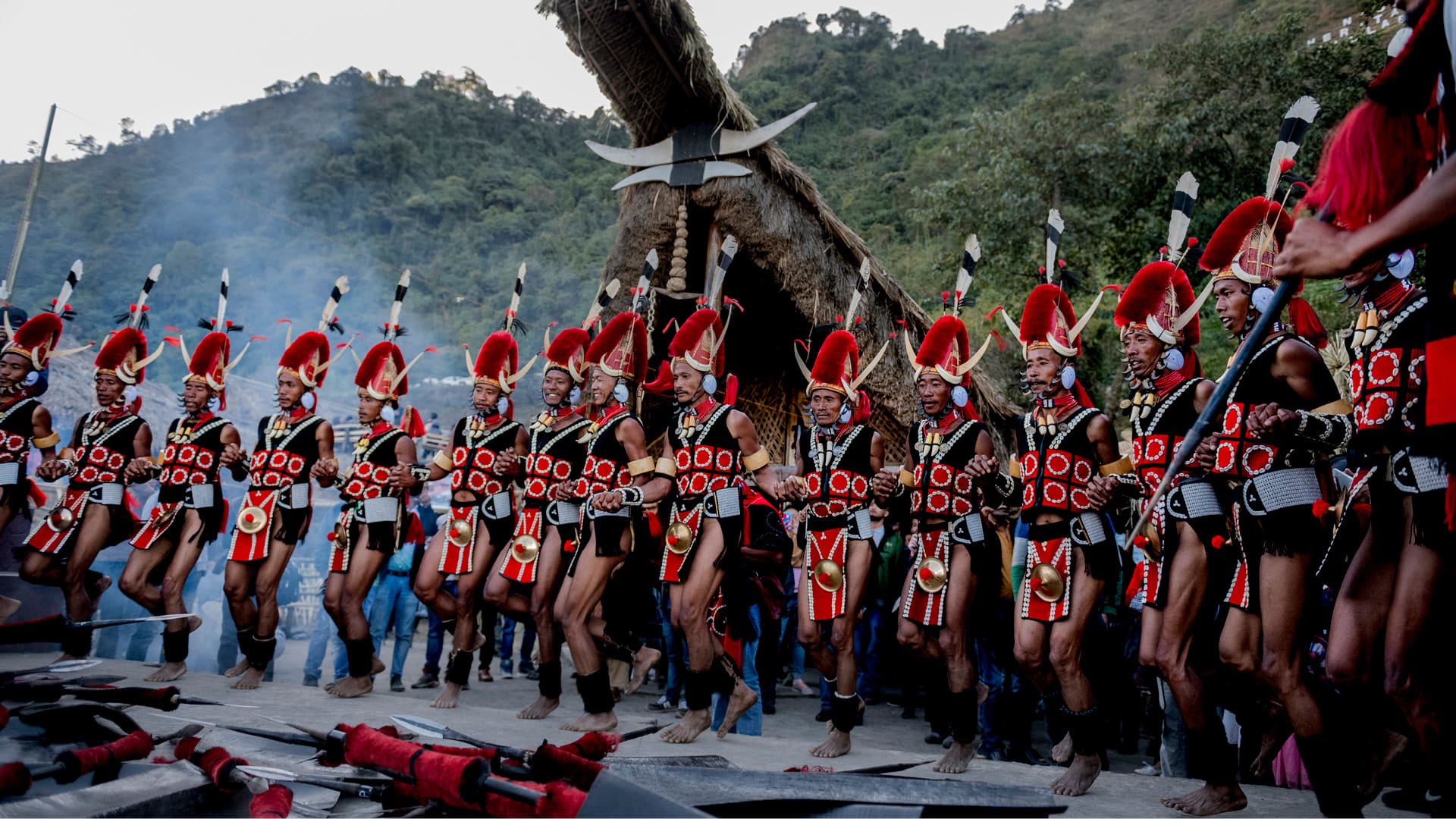
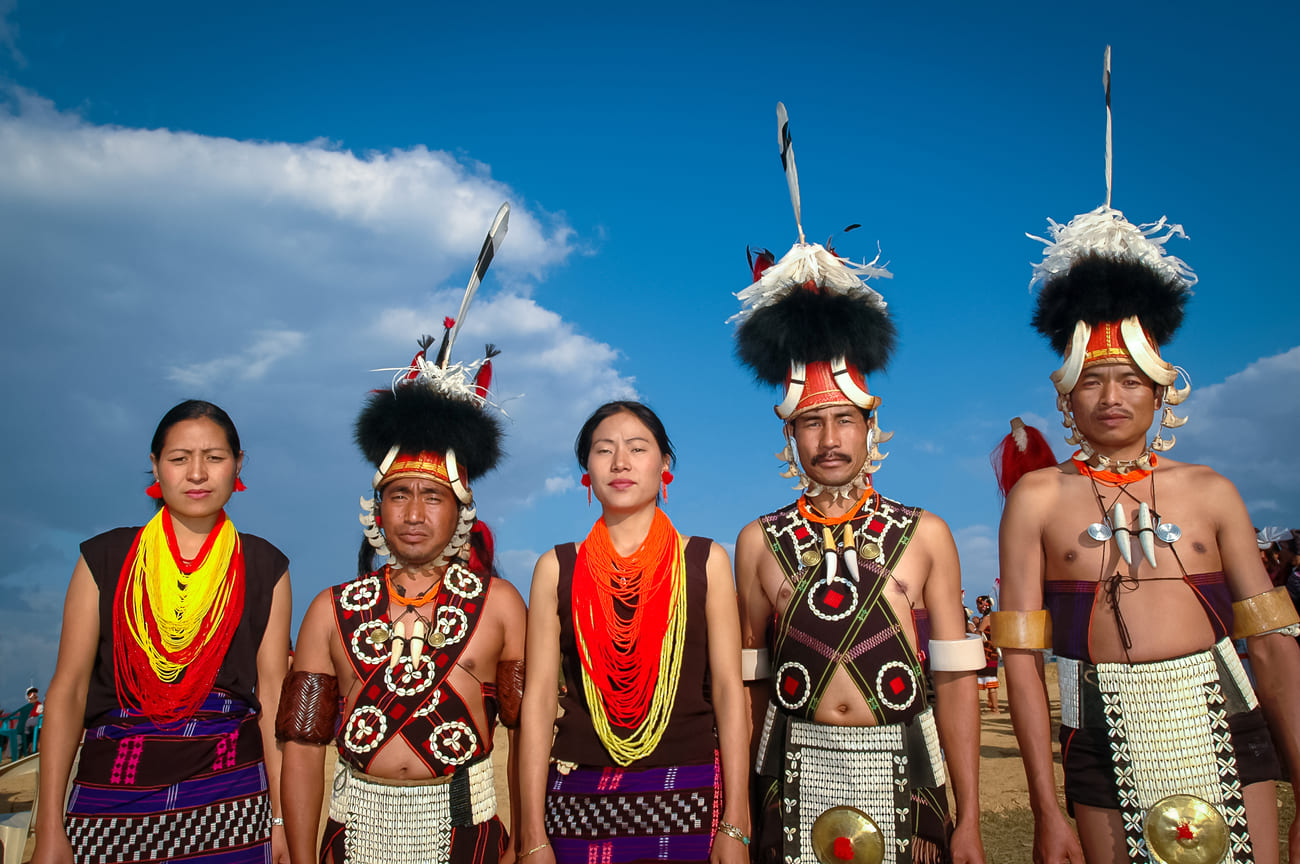
Nagaland is a cultural mosaic of 17 major tribes and several sub-tribes, each with distinct dialects, customs, attire, and festivals. Every tribal festival is a window into a civilization preserved through centuries, with symbolic dances, warrior attire, chants, and traditional games.
Nagaland is often called the “Land of Festivals” because each tribe has its own unique celebrations, filled with music, dance, and colourful traditions.
Highlights of districts, tribes, festivals, and key attractions:
1. Kohima: Angami Tribe
Festival: Sekrenyi (February)
Culture: Rich in warrior traditions, terrace farming and intricate bamboo work.
Attractions: The bustling capital, Kisama Heritage Village, Dzukou Valley, Kohima War Cemetery, Khonoma green village.
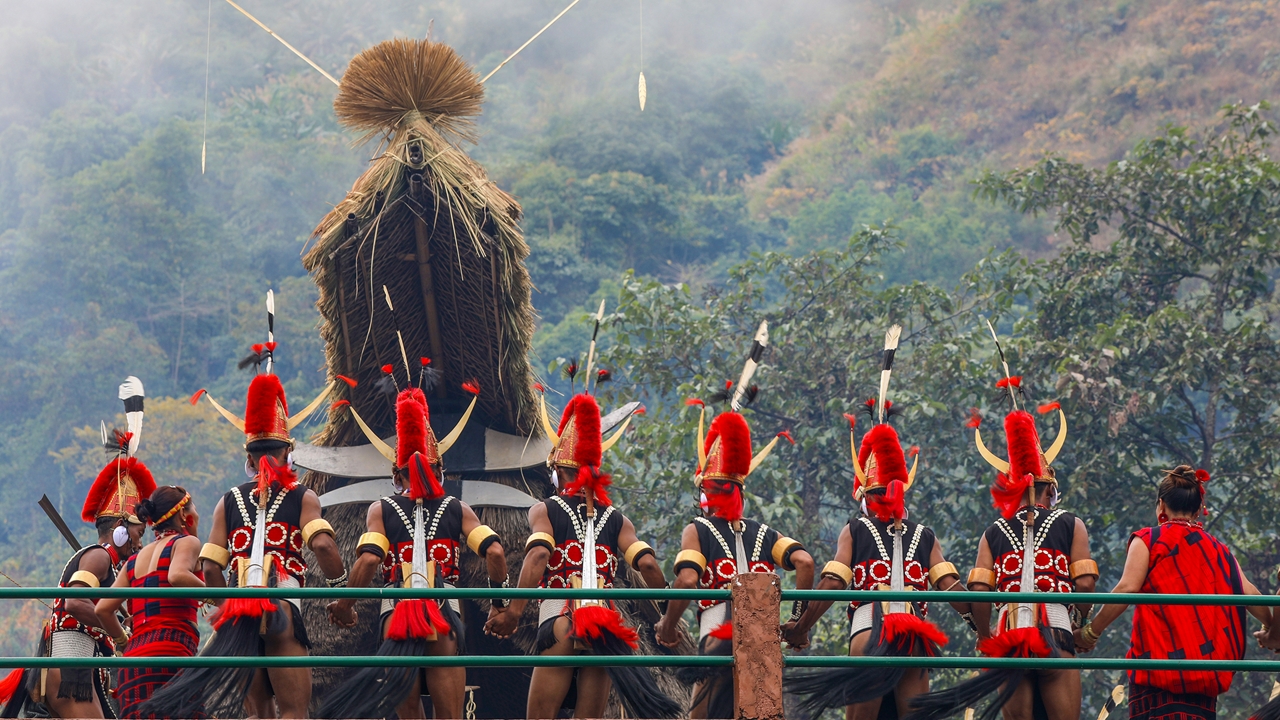 2. Dimapur: Mixed Tribes
Culture: Blend of tradition and modernity; hub for commerce and transport.
Attractions: Kachari Ruins, Nagaland Zoo, Diezephe Craft Village.
3. Wokha: Lotha Tribe
Festival: Tokhu Emong (November)
Culture: Vibrant dances, storytelling and hospitality.
Attractions: Doyang River, Mount Tiyi, Bird watching - Amur falcon.
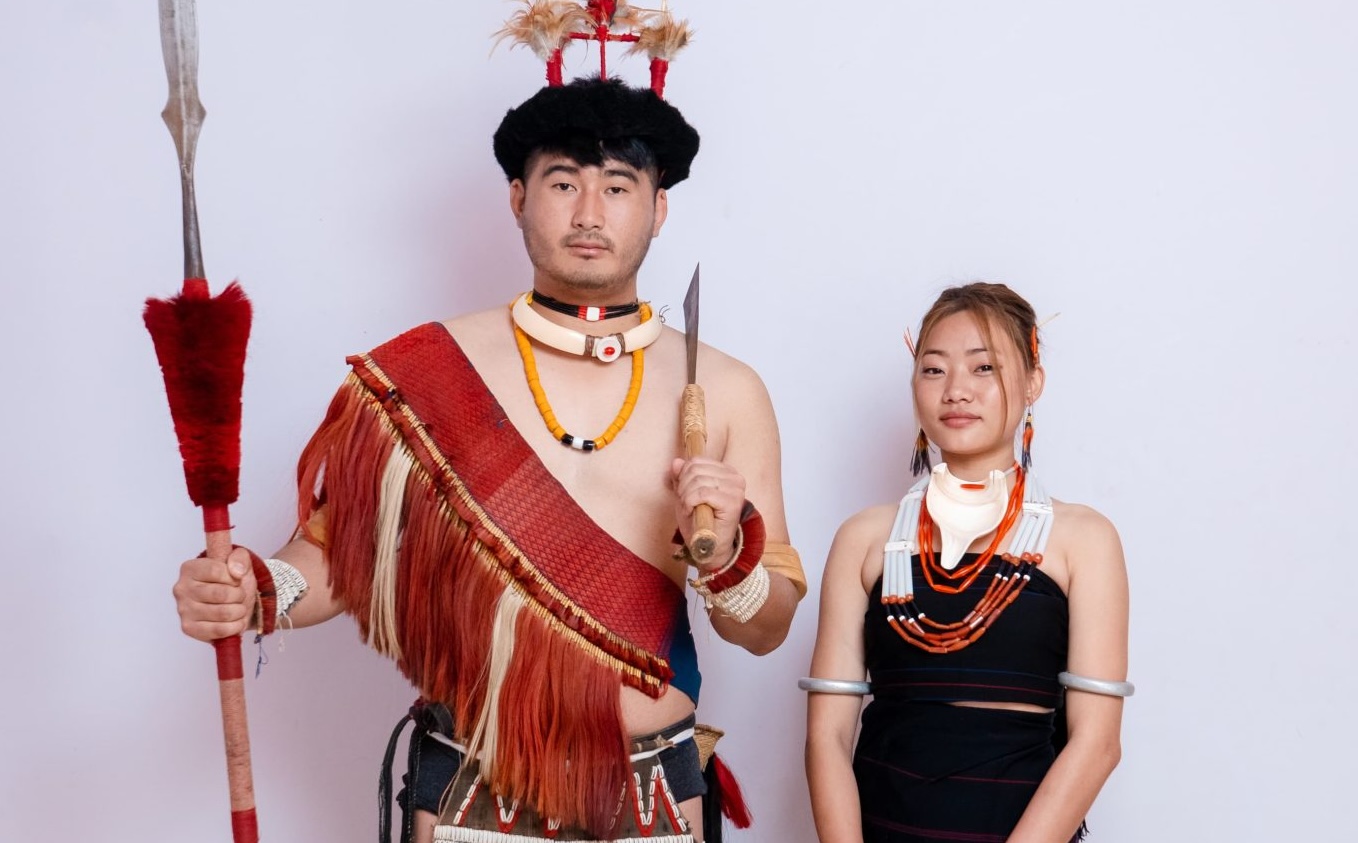 4. Mokochung: Ao Tribe
Festival: Moatsu (May)
Culture: Known for log drum traditions, storytelling, and colourful attire.
Attractions: Ungma, Mopungchuket, Longkhum village.
 5. Mon: Konyak Tribe
Festival: Aoleang (April)
Culture: Tattoed warriors, headhunting legacy, and firearms craftsmanship.
Attractions: Longwa village, Veda Peak, Shangnyu village.
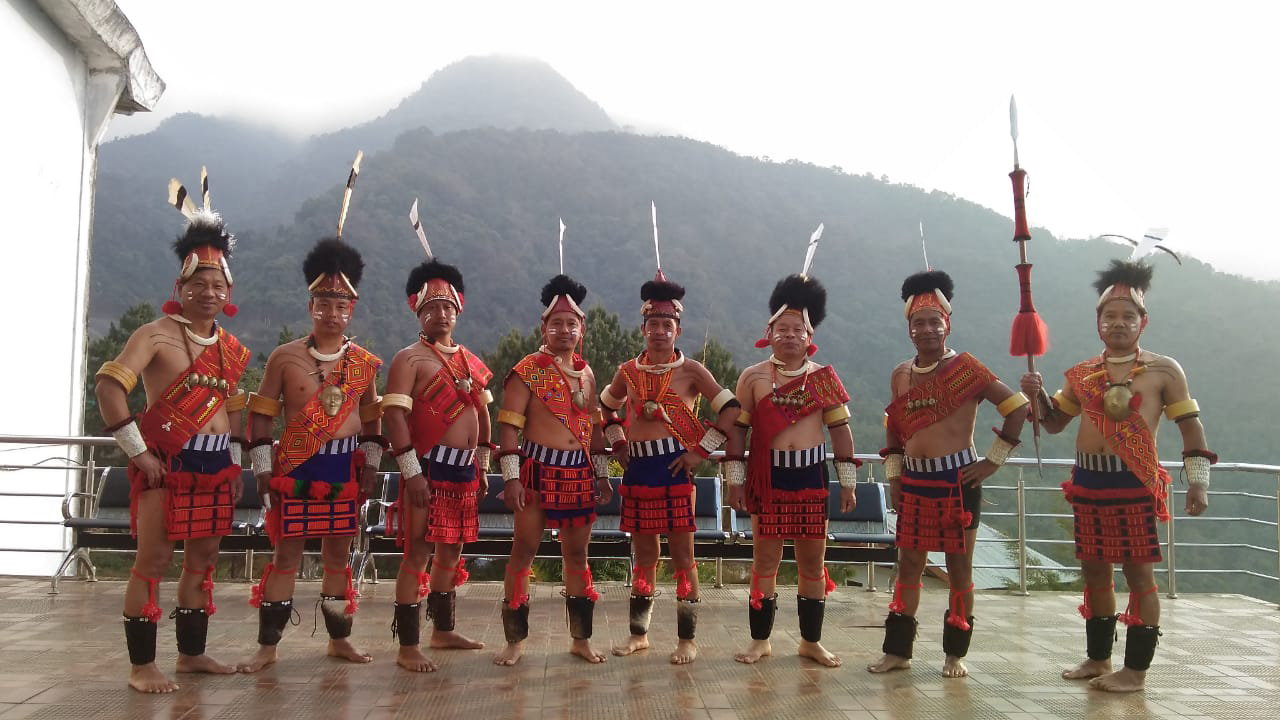 6. Tuensang: Chang, Sangtam, Yimkhiung, Khiamniungan Tribes
Festival: Naknyulem (Chang), Mongmong (Sangtam)
Culture: Vibrant shawls, strong oral traditions.
Attractions: Noklak area, Chilise, Cultural villages.
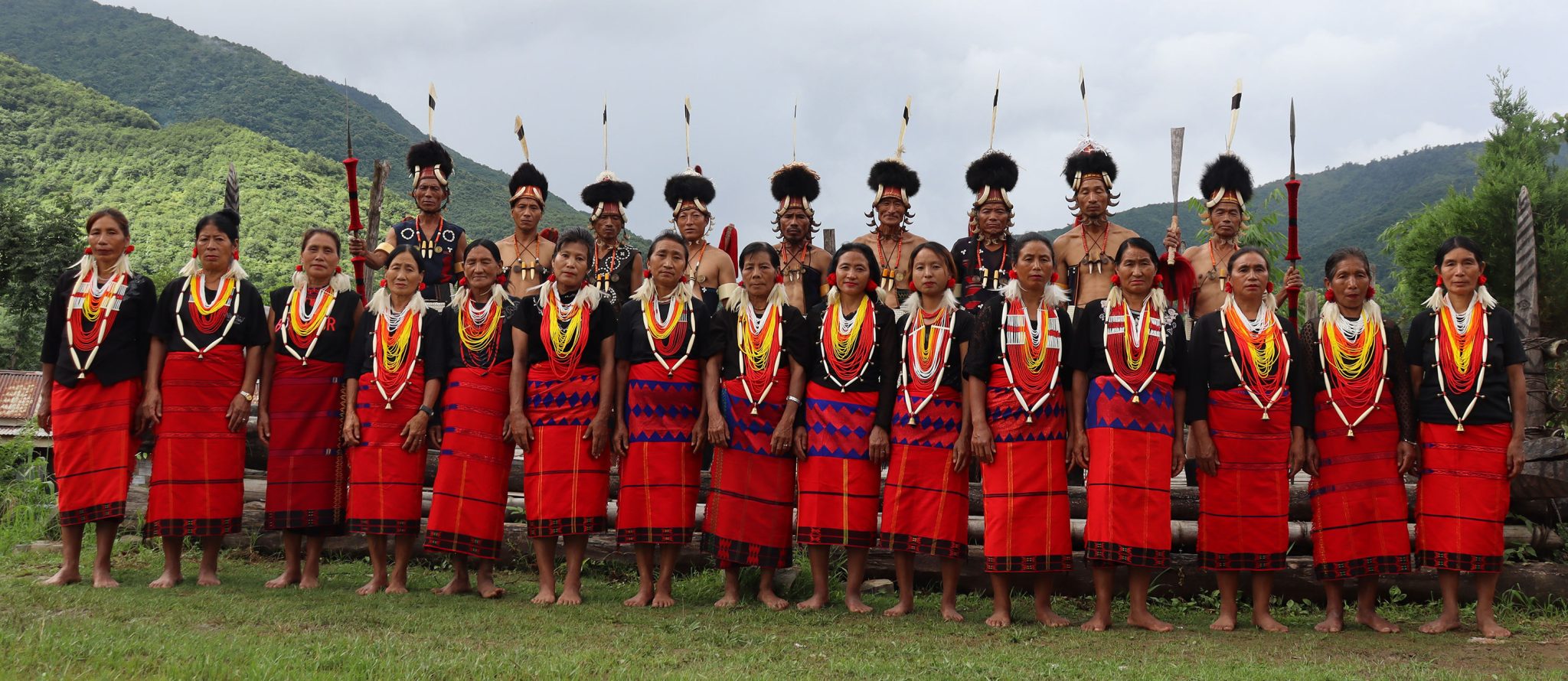 7. Phek: Chakhesang Tribe
Festival: Sukrunye (January)
Culture: Stone pulling, organic farming, traditional songs.
Attractions: Pfutsero, Glory peak, Kapamodzu peak.
8. Peren: Zeliang & Kuki Tribes
Festival: Hega (Zeliang), Miu (Kuki)
Culture: Communal living, dance and craftwork.
Attractions: Ntangki National Park, Mt. Paona.
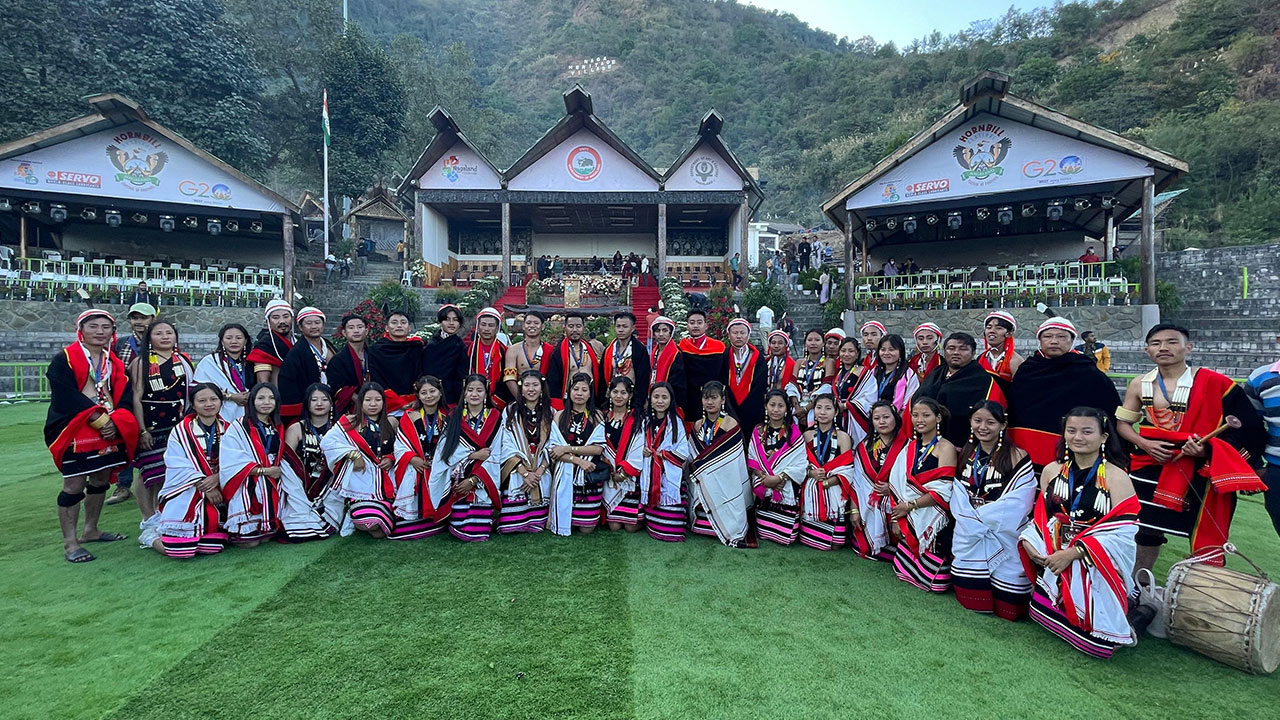 9. Longleng: Phom Tribe
Festival: Monyu (April)
Culture: Folk tales, bamboo instruments, wood carving.
Attractions: Dikhu river, Yongam river and Bhumnyu village.
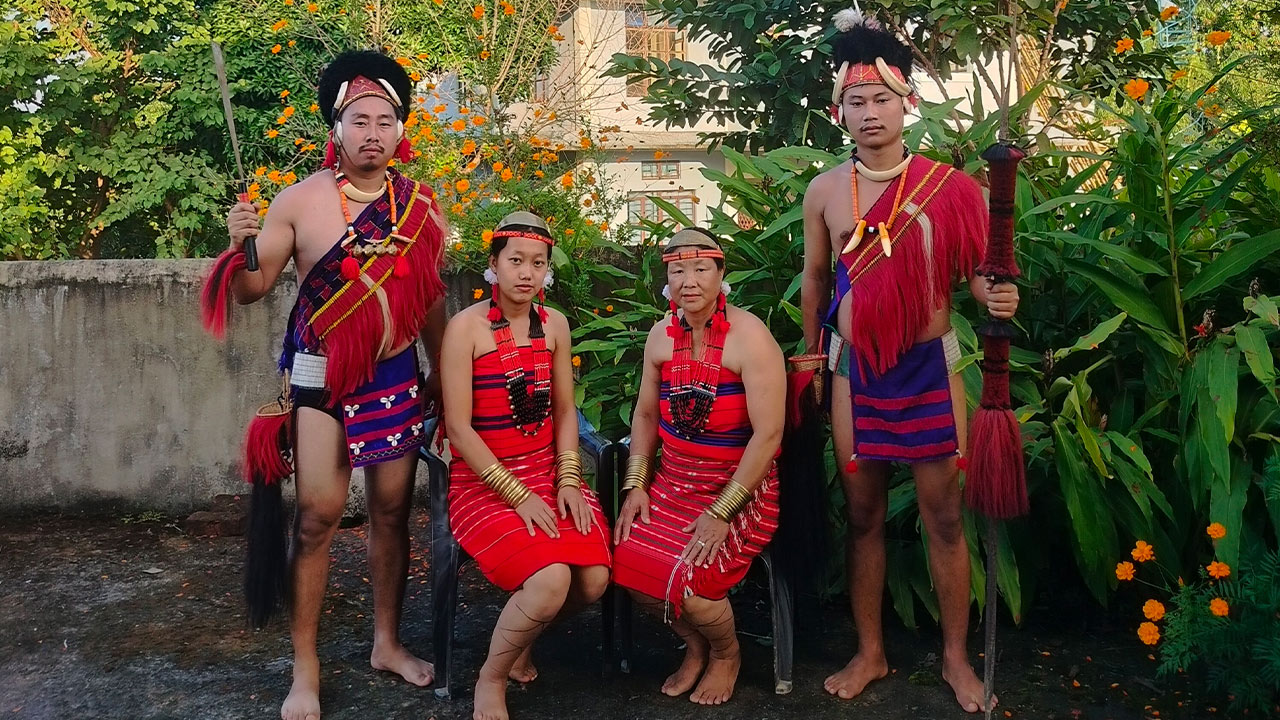 10. Kiphire: Sangtam & Yimkhiung Tribes
Festival: Mongmong
Culture: Handicrafts, folklore, and farming.
Attractions: Saramati peak, Fakim wildlife sanctuary.
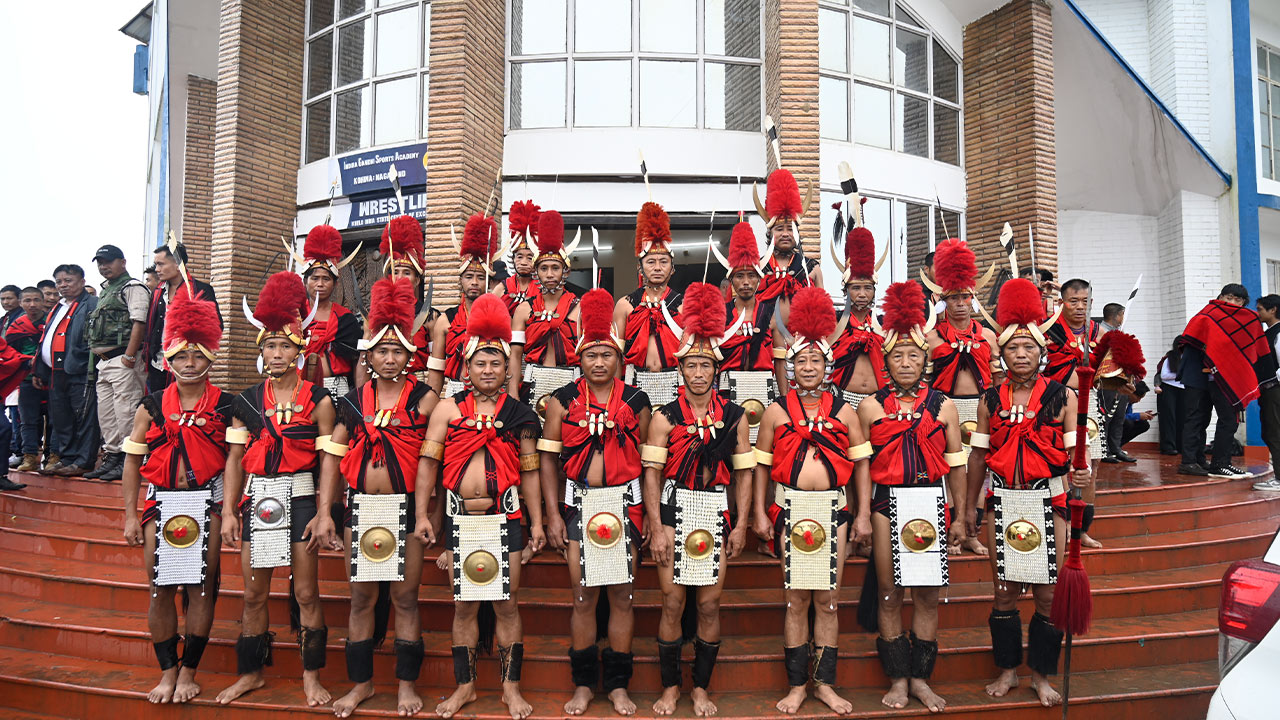 11. Noklak: Khiamniungan Tribe
Festival: Tsokum (October)
Culture: Dance, embroidery, oral history.
Attractions: Punya wildife sanctuary, tribal settlements.
12. Tseminyu: Rengma Tribe
Festival: Ngada (November)
Culture: Drum beats, oral storytelling, community feasts.
Attractions: Nsonji lake, Sendenyu community biodiversity & wildlife reserve.
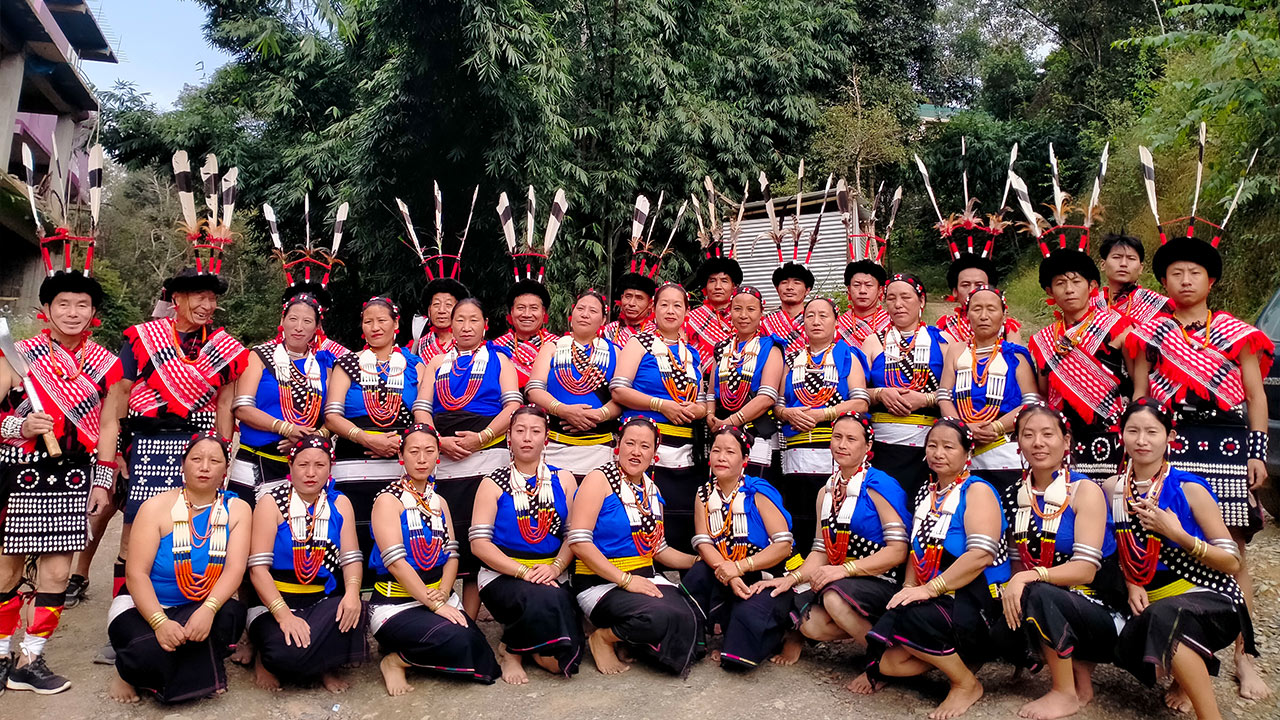 13. Niuland: Mixed Tribes
Culture: Cultural confluence, agriculture, evolving traditions.
Attractions: Rural landscapes, emerging eco-tourism spots.
14. Chumoukedima: Mixed Tribes
Culture: Urbanised mix of modernity and tradition.
Attractions: Green park, the triple falls, local markets.
15. Shamator: Yimkhiung & Tikhir Tribes
Festival: Metumnyo
Culture: Clan unity, seasonal festivals, community rituals.
Attractions: Zungki river, rolling hills, tribal hamlets.
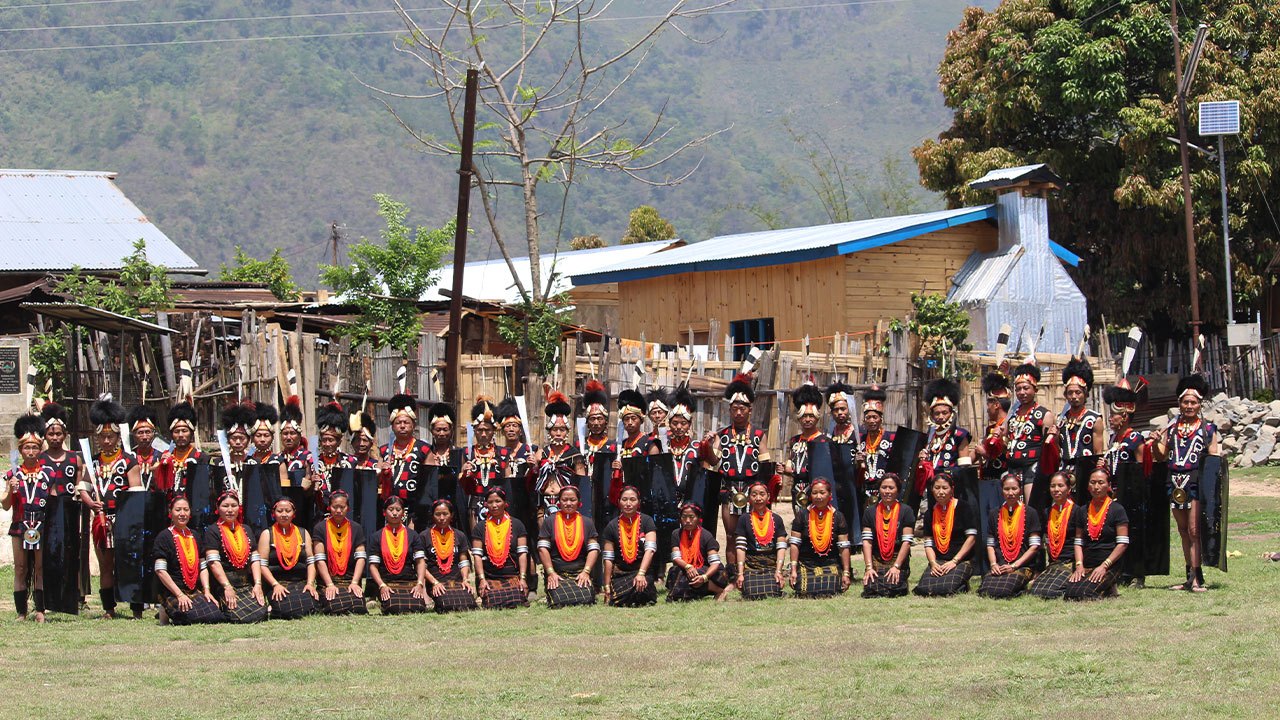 16. Meluri: Puchury Tribe
Festival: Yemshen (October)
Culture: Traditional craftsmanship, black pottery.
Attractions: Shilloi Lake, Mt. Zanibu, Lephori village.
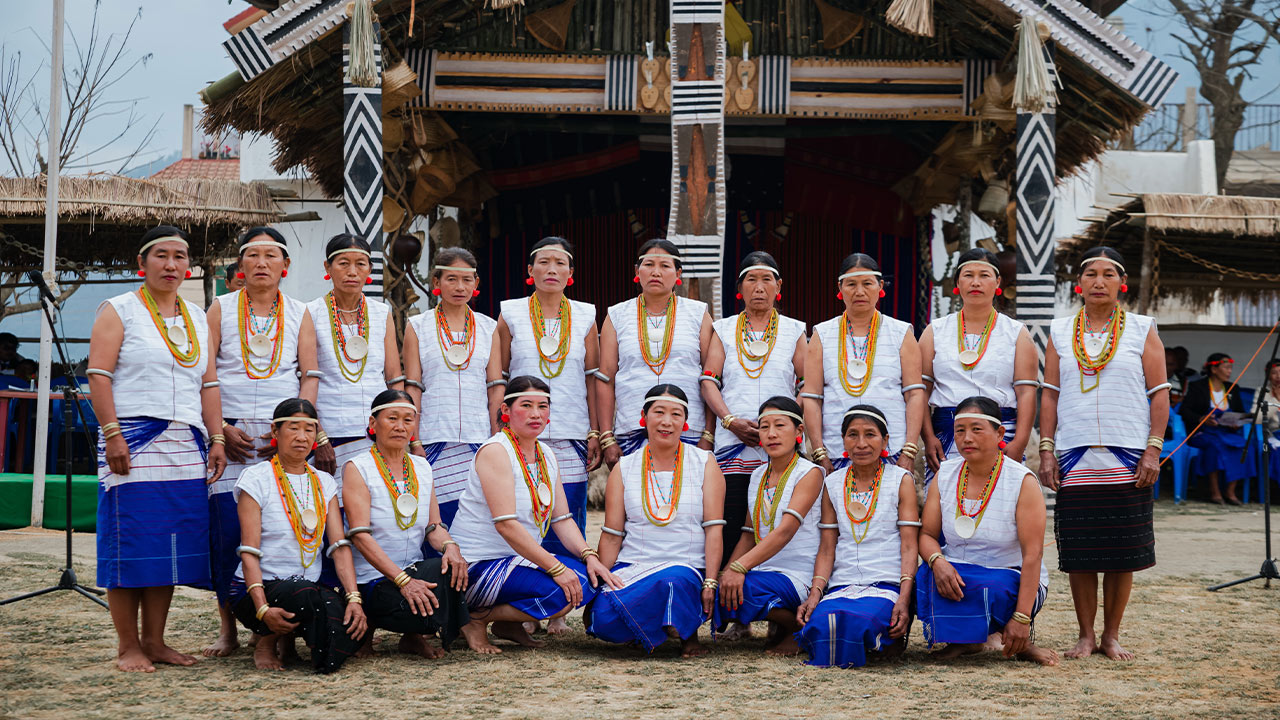 17. Zunheboto: Sumi Tribe
Festival: Tuluni (July)
Culture: Warrior history, folk songs, traditional drums.
Attractions: Satoi Range, Ghosu bird sanctuary.
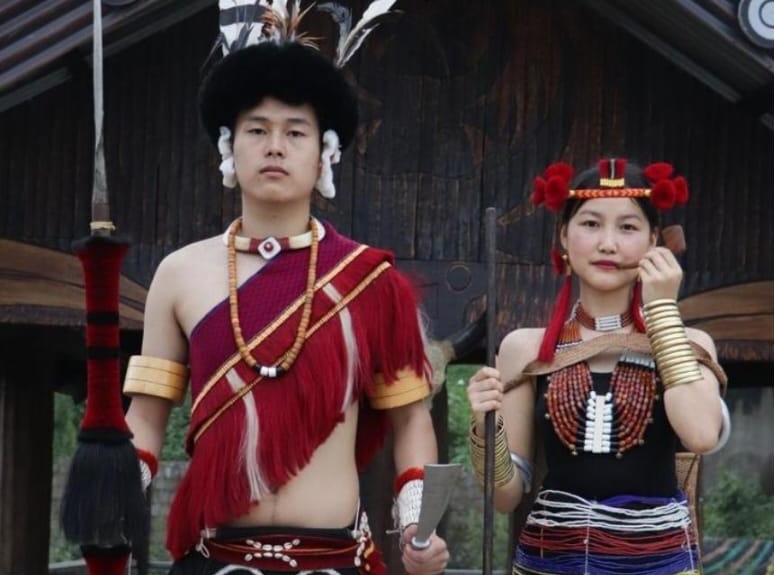 Art and Craft
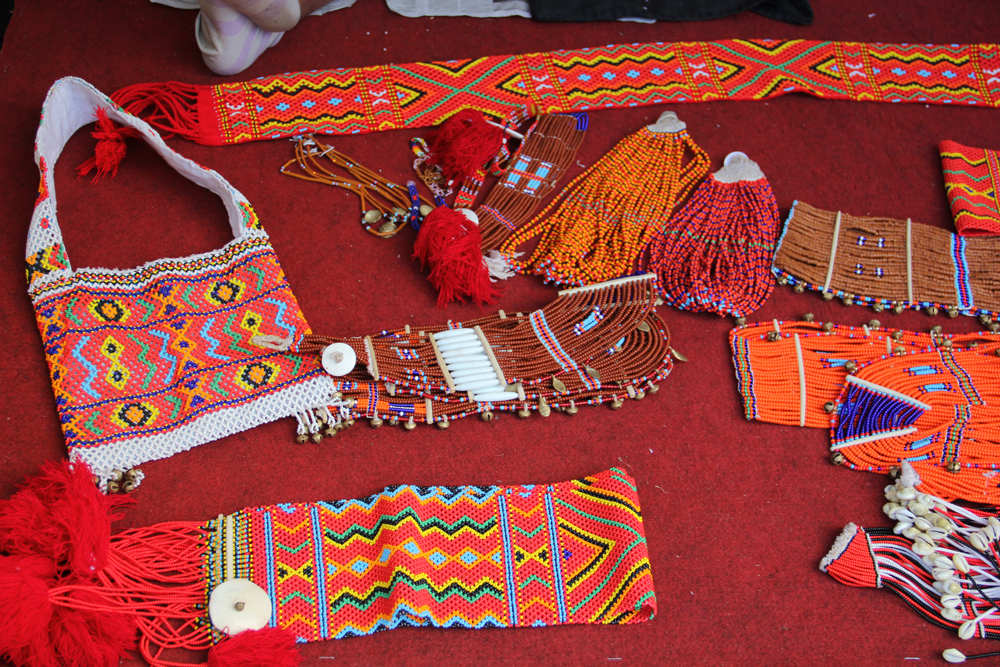
Nagaland’s handlooms and handicrafts are prized for their symbolic patterns and intricate artistry. Nagaland’s artisanal legacy is deeply embedded in daily life. Don’t miss the hand-woven Naga shawls, each telling a tribal story, bamboo & cane crafts, pottery, wood carvings, indigenous jewellery and bead work reflecting tribal identity.
 Warmth and Hospitality
Nagas are known for their grace, generosity, and warm smiles. Staying in a traditional homestay offers travelers a rare glimpse into everyday Naga life filled with organic food, folklore, and fireside stories under starlit skies. Despite cultural differences, visitors are often greeted with curiosity, kindness, and generosity.
Culinary Delights
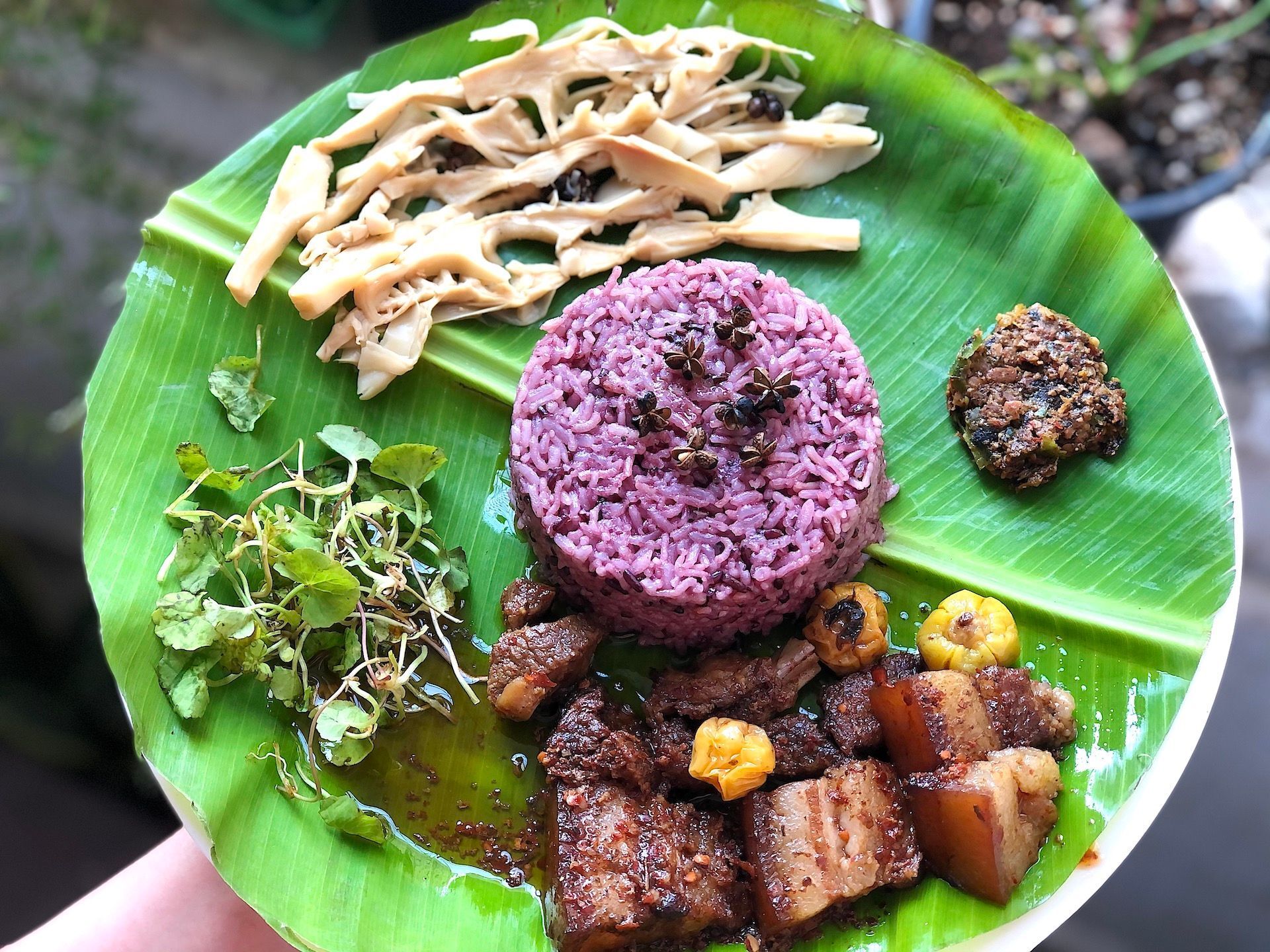
Smoked pork, bamboo shoot curry, sticky rice, and traditional rice beer await your taste buds. Rare and exotic food, Nagaland’s cuisine is adventurous and full of flavor and fiery chillies like the legendary Naga King Chilli (Ghost Pepper), once the world’s hottest chilli.
 Best Time to Visit
October to May is ideal weather for sightseeing, treks, and festivals. The Hornbill Festival took place in December, which is unmissable for cultural immersion. Spring and summer is best for lush landscapes and floral blooms.
Good to Know
English is widely spoken.
Nearest airport and railway station is in Dimapur.
Road access through Assam.
 Source: Nagaland Tourism